BOSIET Training Cameroon: Why SNH and MINMIDT Trust NOIAA for Certification
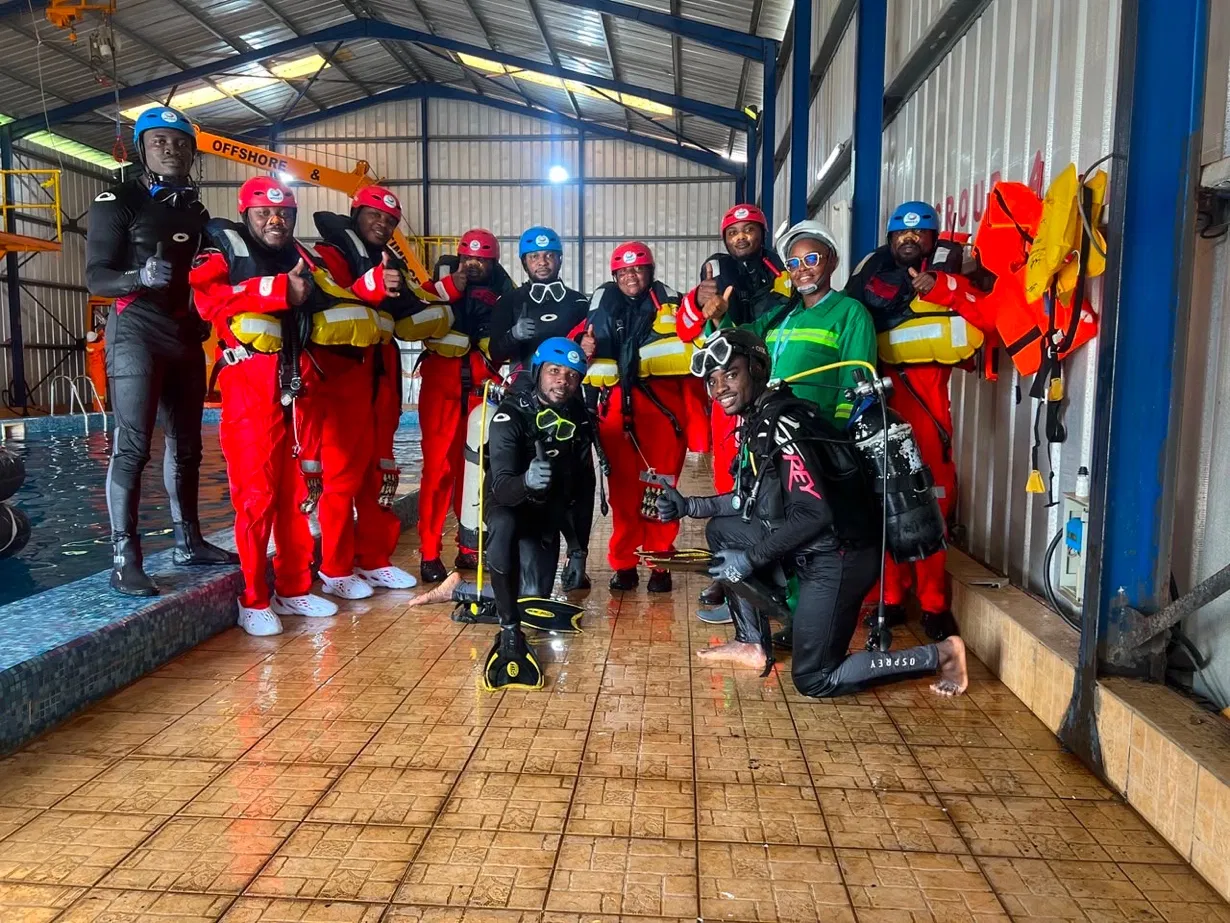
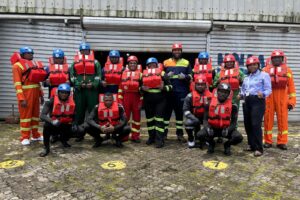
Right now, at NOIAA’s OPITO-approved Cape Limboh Training Centre in Limbe II, 283 workers from the Cameroon National Hydrocarbons Corporation (SNH) and the Ministry of Mines, Industry and Technological Development (MINMIDT) are moving through BOSIET the basic offshore safety certificate required before anyone can work offshore.
BOSIET runs in sessions capped at 16 people. Getting 283 workers certified means running that rotation back to back, week after week, with no gaps between batches. A national hydrocarbons corporation and a government ministry don’t commit that kind of volume to a training centre without vetting it first. When they do, it speaks more than a testimonial could.
Why This Cohort Is the Evidence: Site Inspection and Access Procedures
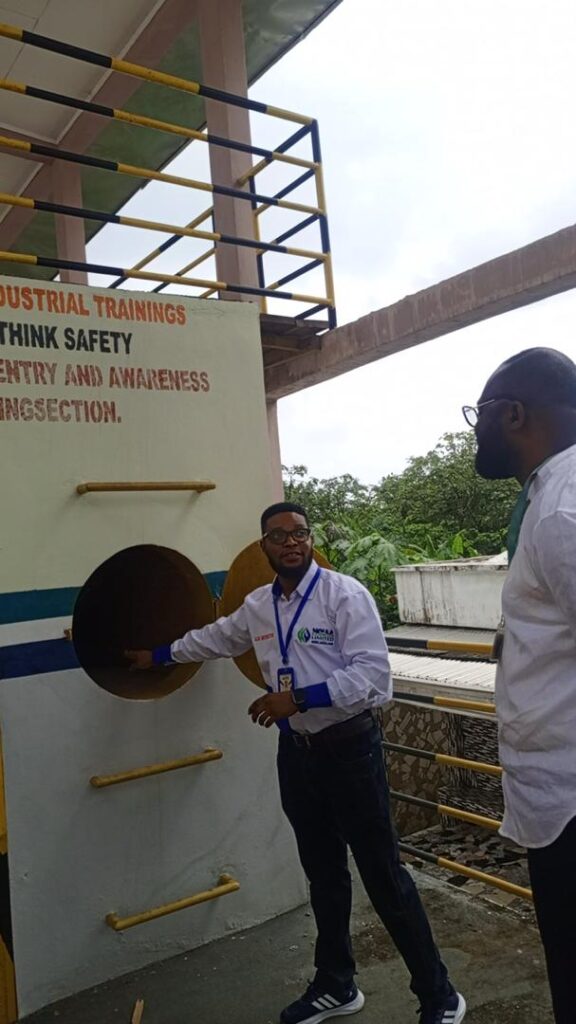
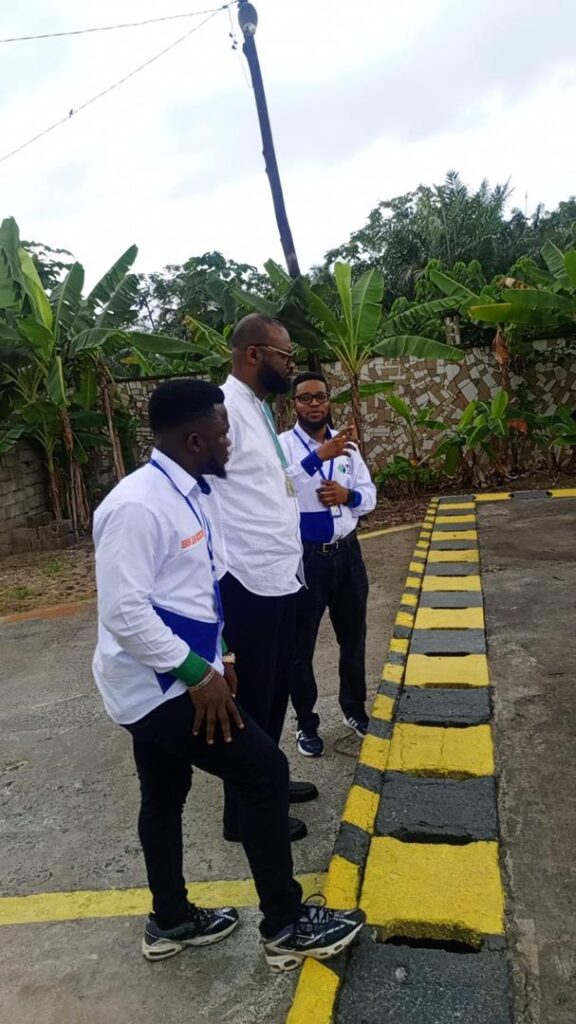
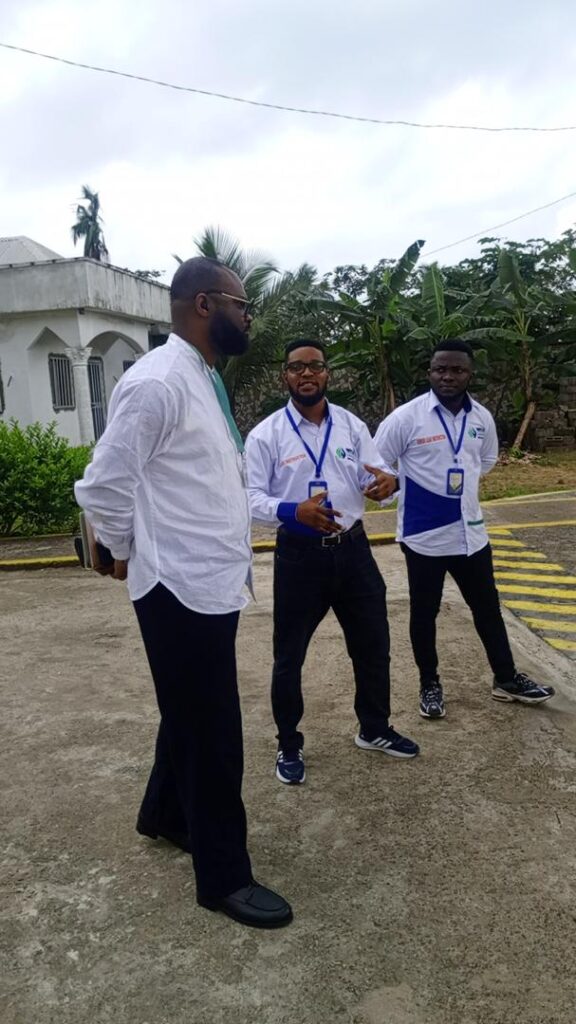
Anyone can claim to be OPITO-approved. Far fewer centres can show a state institution and a government ministry choosing to certify nearly 300 people there, in one stretch of weeks. That’s what due diligence looks like when it’s real, not marketing language, but procurement decisions.
It also answers a practical question a lot of HSE and Ops managers are quietly asking: can a Central African centre actually handle a crew this size? BOSIET runs on fixed instructor-to-trainee ratios, pool time, and fireground time; training 283 people back to back isn’t something you scale up casually. It takes real capacity, and NOIAA is running it this month by Month, on-site, without sending anyone abroad.
That last part matters most. A cohort this size, a few years ago, would have meant flights, visas, and weeks of lost work spread across multiple countries just to get a baseline safety certificate. Training it locally, under one accredited program, is the entire reason a Central African OPITO centre exists.
What’s Actually Happening on the Ground
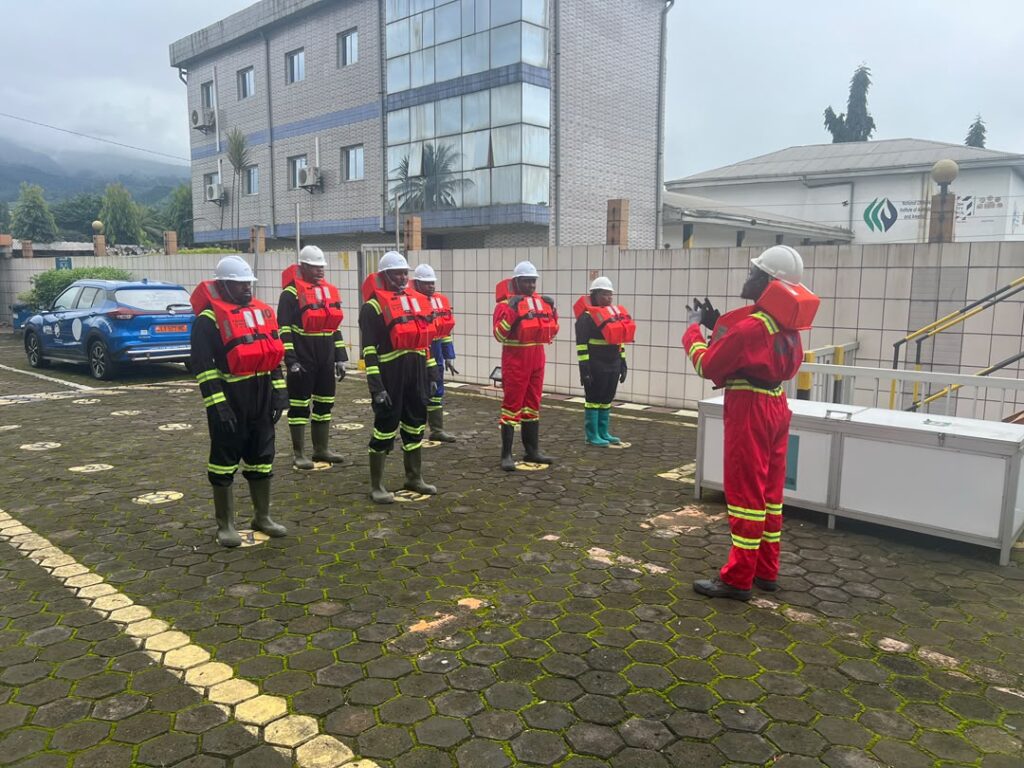
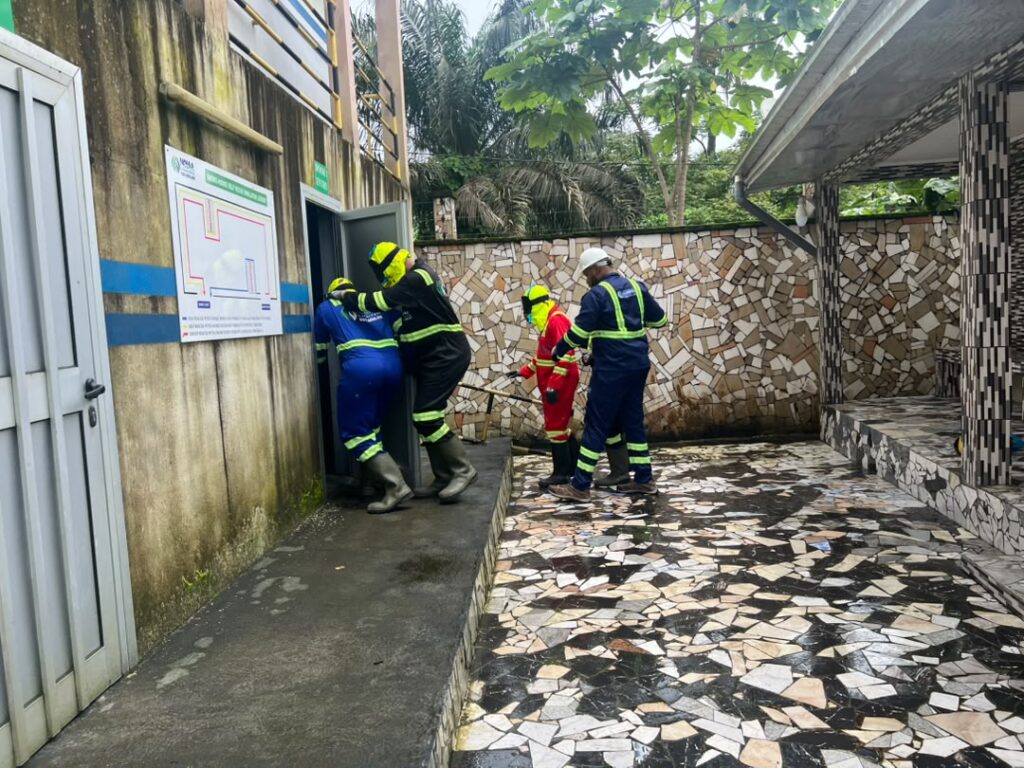
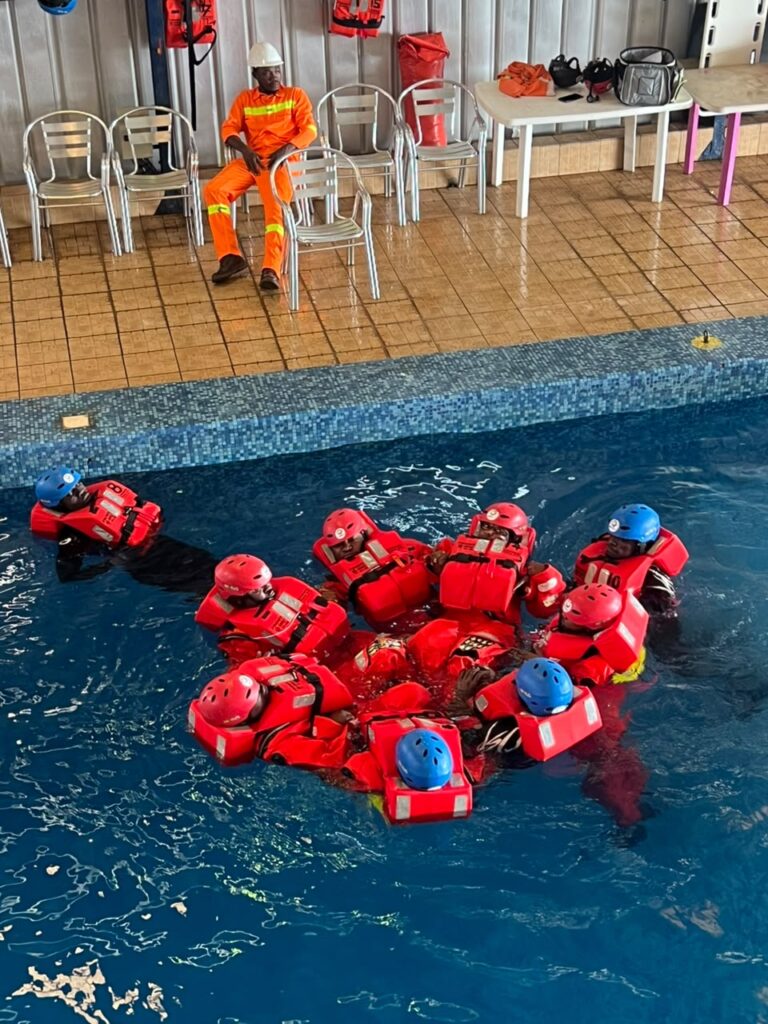
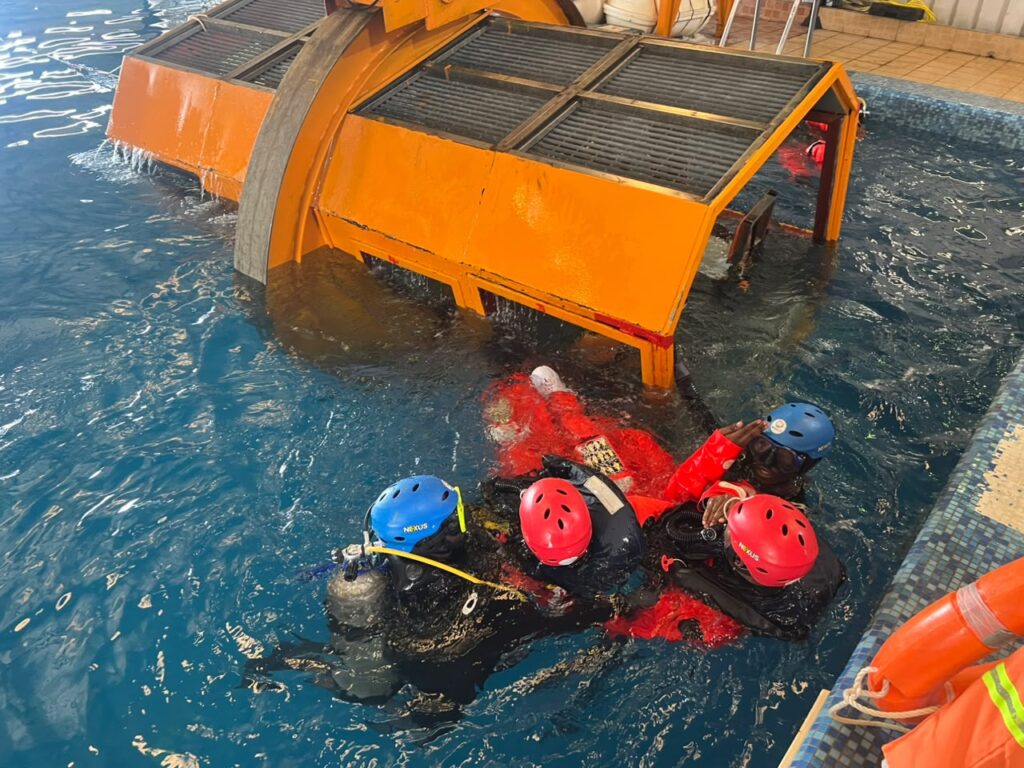
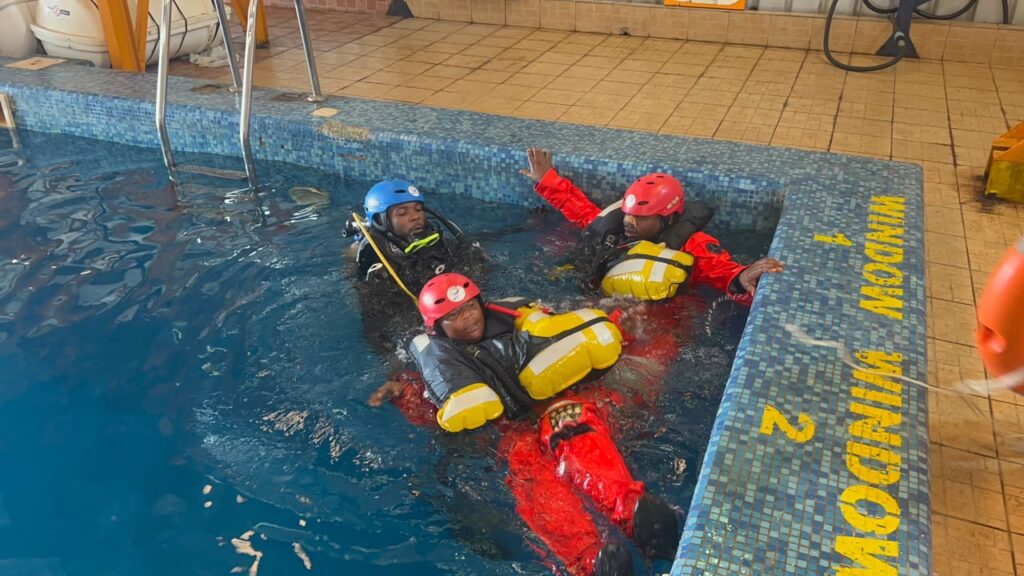
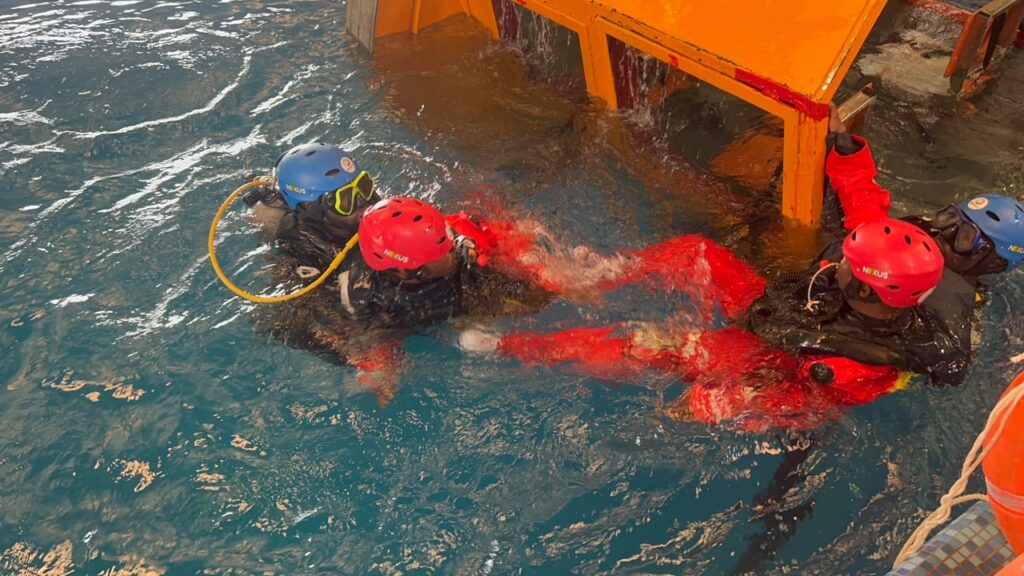
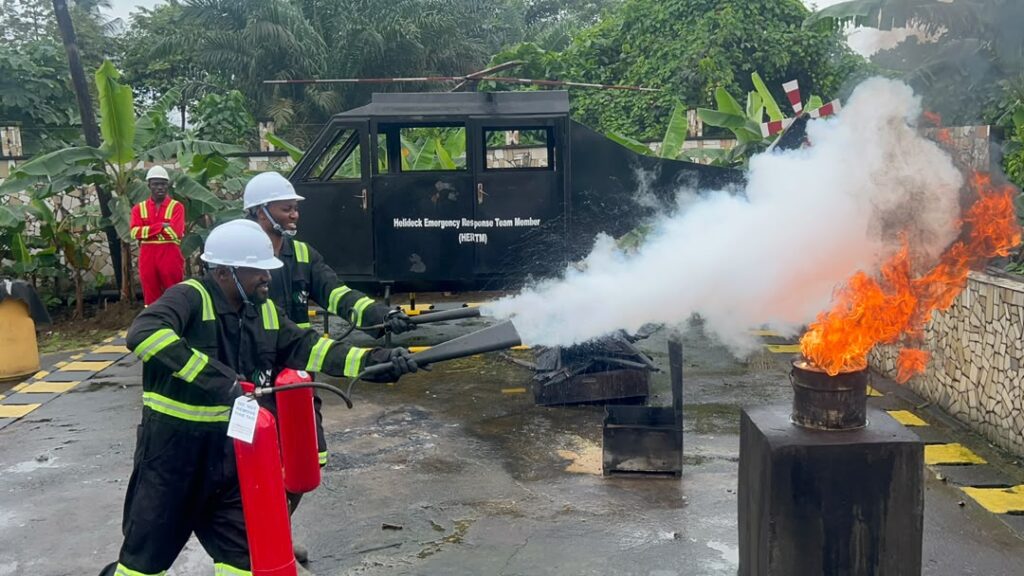
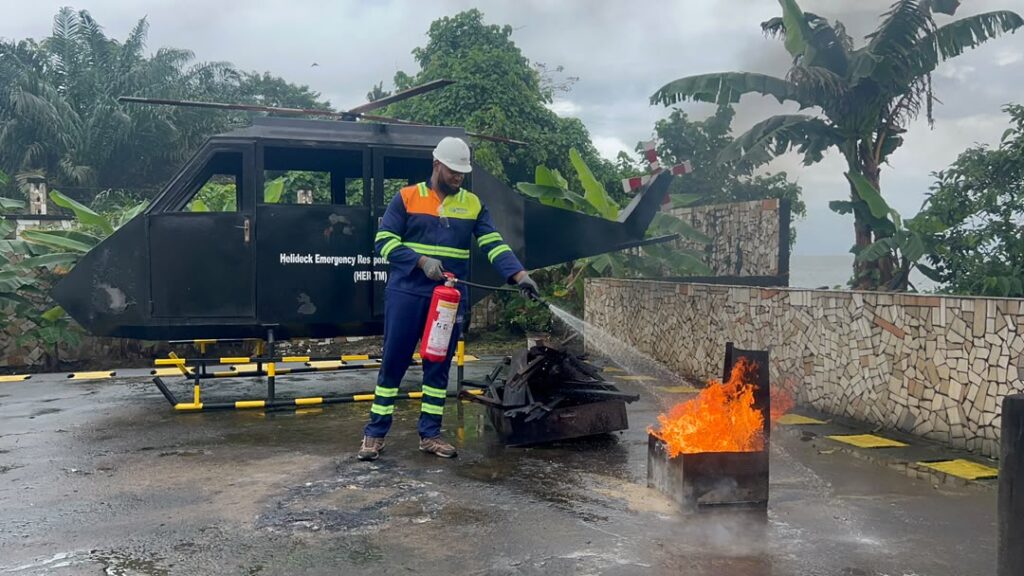
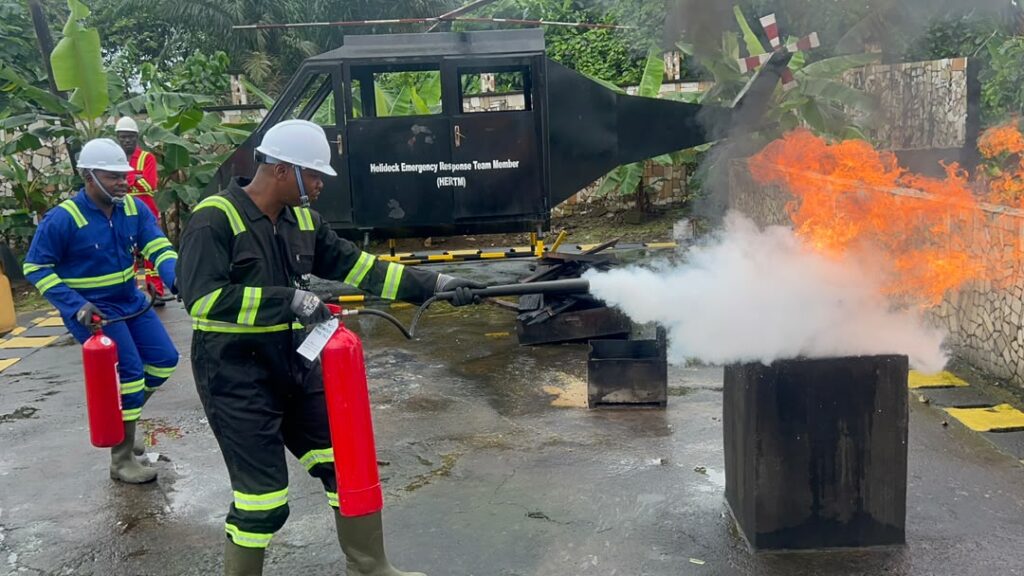
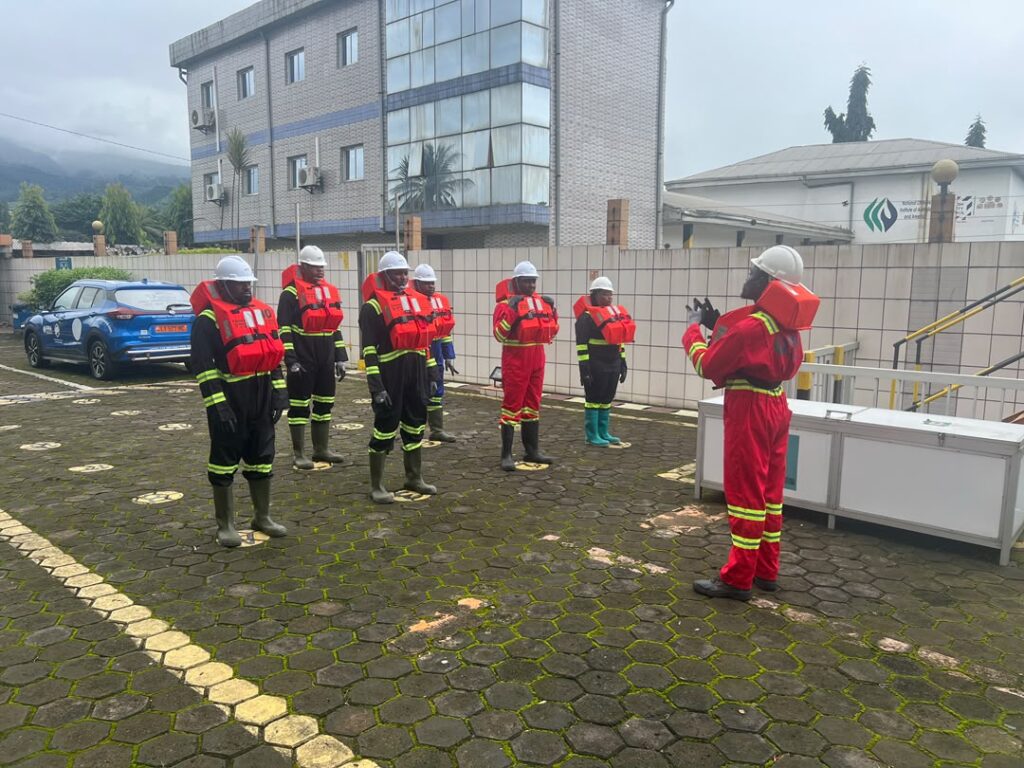
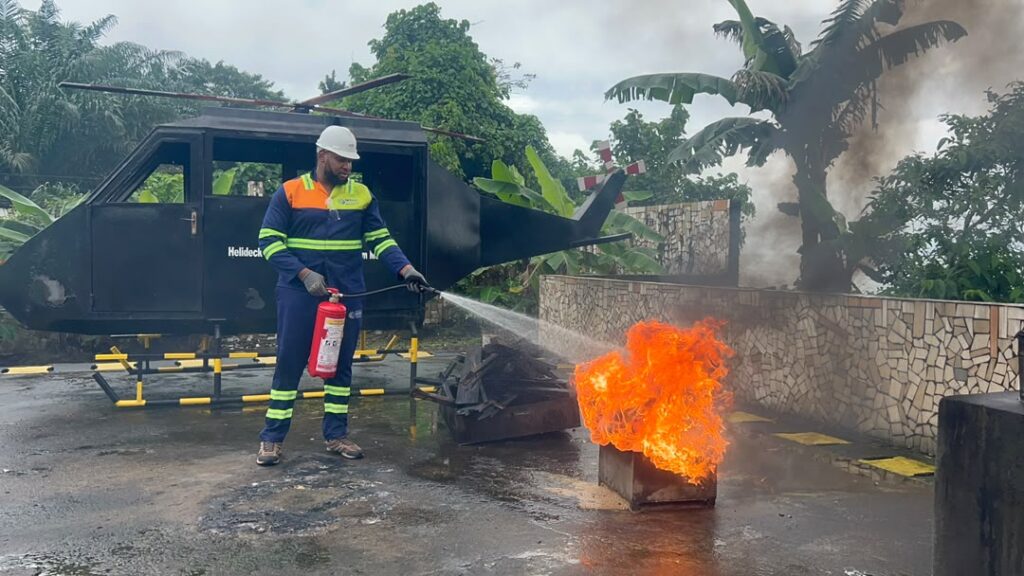
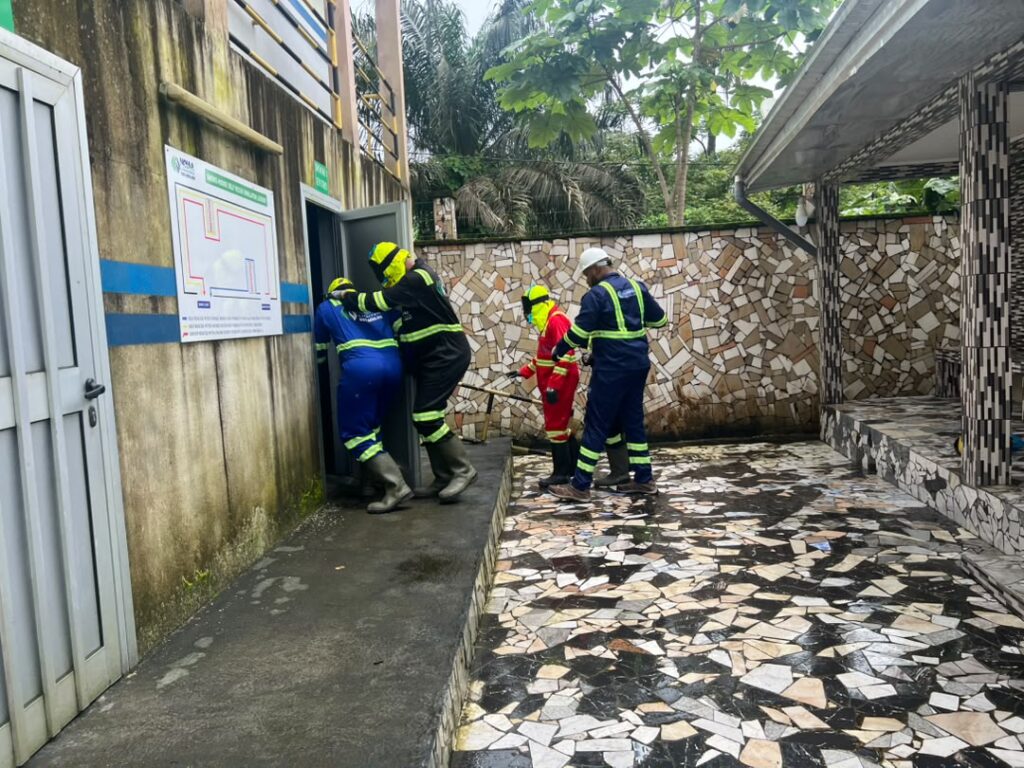
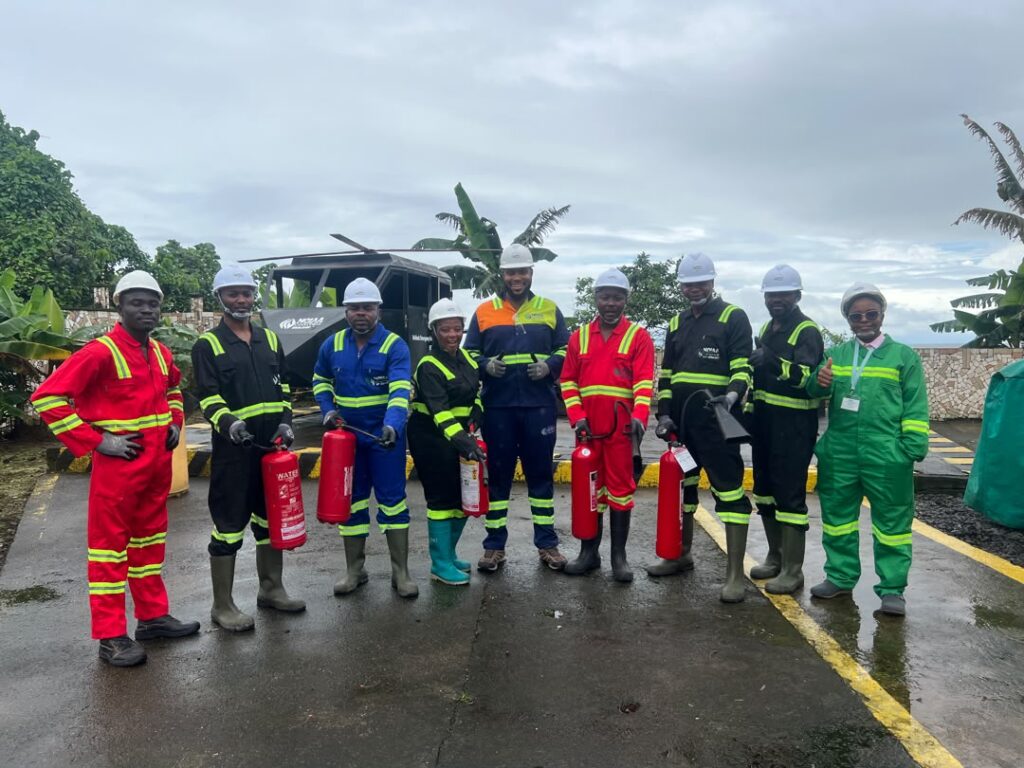
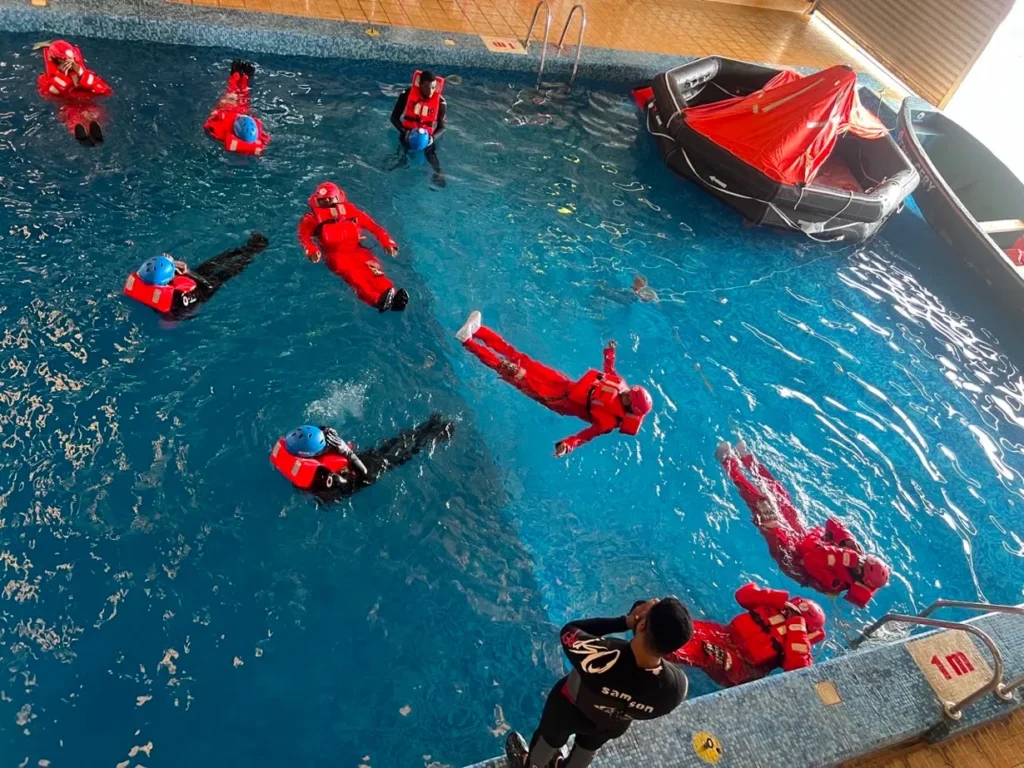
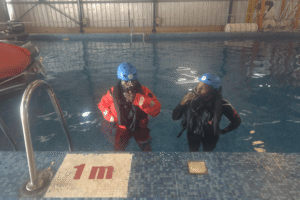
Accommodation for all 283 each week was already sorted, rooms assigned, everyone settled in, before a single class starts. From here it’s the full BOSIET rotation: safety induction, firefighting, first aid, sea survival, and HUET, moving between classroom and practical sessions under the training manager, the training admin team, and the wider instructor group. The goal behind that coordination is simple: a stay that’s smooth, well-run, and welcoming from arrival to certification, and not only for the course to get through.
If You’re Weighing This for Your Own Crew
If you thought the only good place to get BOSIET training was outside Central Africa, think again. SNH and MINMIDT are sending hundreds of their own workers to NOIAA this month.
Want to know what BOSIET training covers, step by step? See the full course details. Need to get your whole team certified? Talk to us about group training.

You may also like
Corporate BOSIET Training Booking in Africa: How Group Certification Works